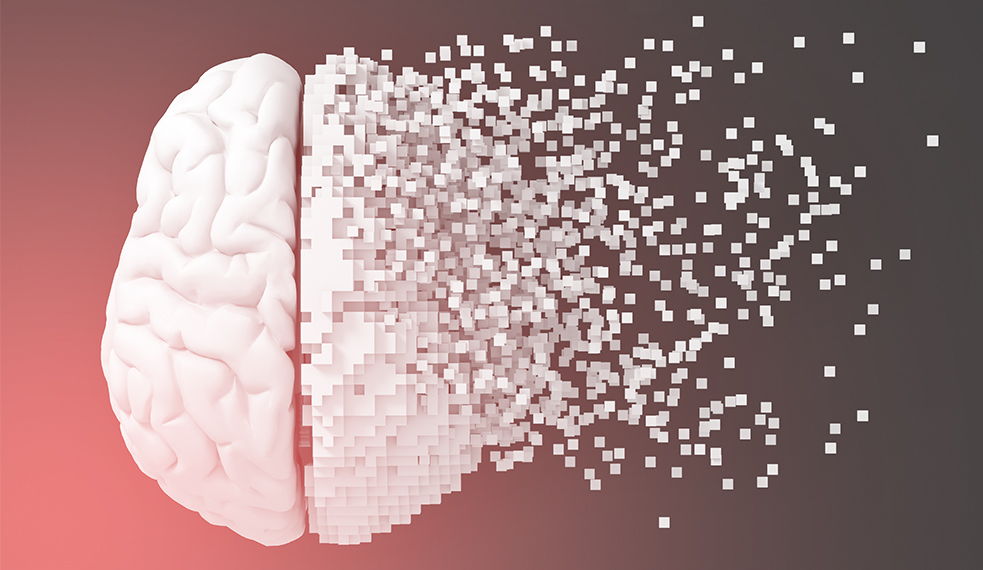

BCOM studies life, brains, and minds as computational phenomena, translating first-principles research into models, methods, and technologies.
Our mission is to advance computational neuropsychiatry and neurophenomenology, pioneer neurosynthetic AI, and help build better lives and societies — biological, hybrid, or synthetic.
RESEARCH PILLARS

How do we turn whole-brain models and neurophenomenology into precision mental-health care?
How do we build safer, data-efficient, brain-inspired AI and engineer safer human/AI hybrid ecosystems?

How do simulated societies of agents illuminate social learning and cultural evolution?



FROM THEORY TO PRACTICE
REAL-WORLD APPLICATIONS
BCOM builds models of brains and minds and translates them into applications. A model earns its place by compression: finding the simple structure beneath complex dynamics. The same framework describes a brain, an ecosystem, or a society of agents, and reveals where those dynamics fail into pathology.
Brains · Minds · Societies
R&D INFRASTRUCTURE
Every BCOM project runs on shared software, simulation platforms, and architecture. At the centre is the BCOM Ontology: a common language that hands each project the same foundations, so that a brain model and an ecosystem model are built on the same principles and can speak to each other.
Software · Simulation · Ontology
IP & SPIN-OUTS
Patents, codebases, and protocols generated by BCOM research, available for licensing or co-development. Selected research lines mature into spin-out companies built with industry partners, so that what starts as a model ends up in the hands of the clinicians, engineers, and institutions who can use it.
Licensing · Co-development
TALENT FACTORY
The BCOM Academy brings together people working across the life sciences, art, and humanities, in studios, exchanges, and fellowships. We train scientists who aren't afraid of a deep question, and who keep the pleasure in trying to answer it. Interdisciplinarity and scientific rigour hold the exchange together.
Studios · exchanges · fellowships
Abundant computational power, rigorous mathematical tools, AI advancement, big data, and exceptional talent have arrived at the same time. BCOM is the shared infrastructure that lets fields speak a common computational language and build a durable foundation for the science of tomorrow.
01. Computational Power
02. Mathematical tools
03. AI advancement
04. Big Data
05. TALENT
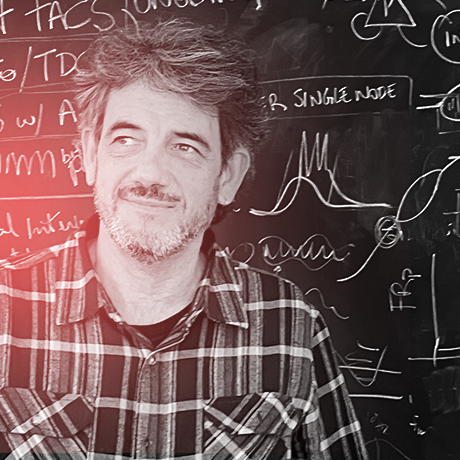
Co-founder &
Executive Director
Computational neuroscientist focused on brain‑network models and neuropsychiatric disorders.
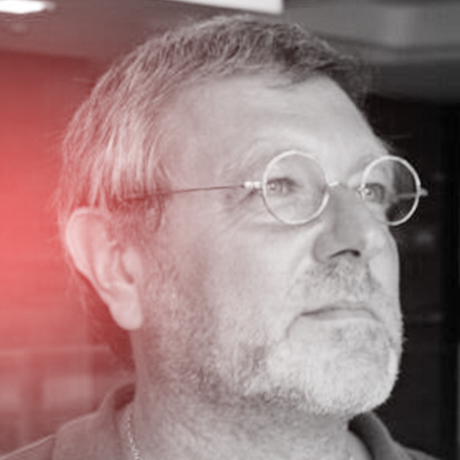
Co-founder &
Scientific Director
Physicist and neurotech founder pioneering neuromodulation, computational modeling and clinical translation.
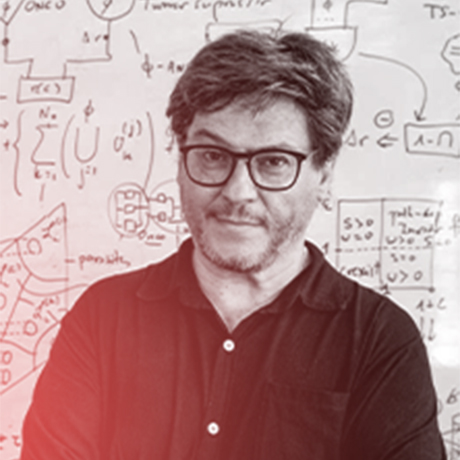
Trustee
ICREA professor at UPF and global leader in whole‑brain modeling and clinical translation.
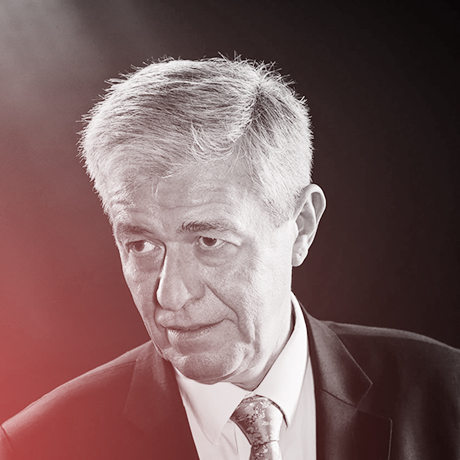
Trustee
ICREA professor and complex‑systems theorist at UPF and Santa Fe Institute; expert in synthetic biology and origins of life.
Head Scientific Advisory Board
UCL neuroscientist and psychiatrist; architect of SPM, DCM and the Free Energy Principle.
Karl Friston • Giulio Ruffini • Gustavo Deco • Ricard Solé • Tomaso Poggio • Earl K. Miller • Michael Levin • Robin Carhart-Harris • David Wolpert • Xiaosi Gu • Joseph Henrich • Javier Marquez Ruiz • Dirk de Ridder • Jordi Garcia-Ojalvo • Joana Cabral • Edward Rietman • Hector Zenil • Vladimir Litvak • Jorge F. Mejias • Miguel Ángel García‑Cabezas • Mehdi Khamassi • Michael D. Fox • Giacomo Koch